
Pump prices are up and Washington is weighing its options on diesel and fuel exports. The proposal getting the most attention would restrict U.S. exports outright, with backers arguing it would keep more fuel at home and bring costs down. The energy industry sees it differently.
Supply buffers were already thinner than they were at the start of the year when this debate began. The U.S.-Iran conflict had pushed up shipping costs through the Strait of Hormuz, pulled down commercial inventories, and forced G7 nations to release emergency reserves. Those reserves are gone now.
Also read: Bank of America resets its oil price target with strong warning
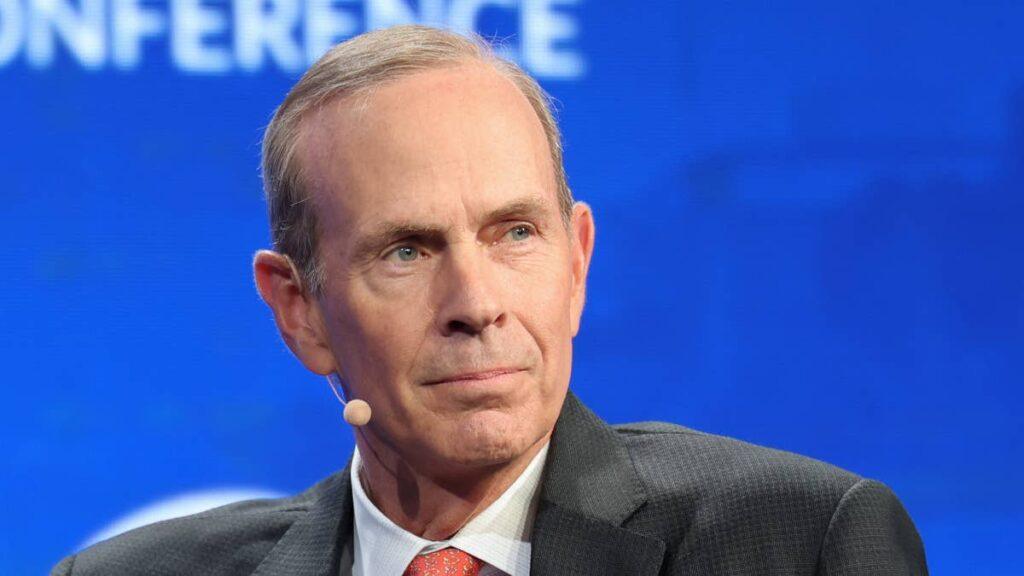
Chevron (CVX) CEO Mike Wirth addressed the question directly in a CNBC interview. He did not hedge much.
Wirth says a ban removes supply from global markets
“Export bans, be they in the U.S. or in other countries, actually take supply off the global market and they run the risk of making the situation worse,” Wirth told CNBC.
Wirth also raised the reliability question. The U.S. has a track record of keeping exports flowing when global markets need fuel, and breaking with that history, he said, would give allies and trading partners reason to start looking elsewhere.
There is also a production logic that runs counter to the ban’s intent. Refiners that cannot move surplus diesel abroad do not simply sit on it. They cut output. That means the domestic market ends up with less fuel, not more, and pump prices the ban was supposed to lower may end up going in the wrong direction.
Wirth said he is not opposed to reducing fuel costs for Americans. His objection is to the method.
PATRICK T. FALLON / Getty Images
Global inventory cushions are nearly gone
Wirth described the global inventory situation as “very serious.”
Conditions were different at the start of the year. Inventories were well-stocked, strategic reserves were still substantial, and a significant volume of sanctioned oil was still finding buyers and moving through global markets. The first wave of Hormuz disruptions hit all of that. It held.
Most of that cushion is now spent. Inventories have come down, the reserve releases that eased the first round of disruptions are no longer available, and the sanctioned oil has reached its buyers. Wirth said there is not much left to absorb whatever hits next.
Saudi Aramco CEO Amin Nasser gave a sense of the recovery timeline. Rebuilding global oil inventories could take up to two years, he said. A market running on thin buffers does not handle the next disruption the way it handled the first. What was manageable a year ago may not be now.
Hormuz disruption continues to pressure supply
The Strait of Hormuz carries roughly 20% of global oil and liquefied natural gas. Since the U.S.-Iran conflict escalated, getting cargo through it has gotten more expensive and more complicated. Insurance premiums have climbed. Delivery timelines have stretched. Some tanker owners are making harder calls about whether the route is worth it at current risk levels.
G7 nations released emergency reserves, and a pickup in Middle East crude exports helped ease the immediate shortfall. Prices came off their highs. The strait is still a problem, though. The countries that drew down reserves to help the first time are in a weaker position to do it again.
Traders are also watching for more attacks. Iran-backed Houthi forces have been active in the region, and another strike on tankers or oil infrastructure would find a market that entered this stretch already running lean. Shipping premiums are not coming down fast whatever happens next.
Trump expands access to red-dyed diesel
President Donald Trump signed an executive order temporarily allowing broader use of cheaper red-dyed diesel, a grade normally restricted to farm equipment, construction machinery and other off-road vehicles. The fuel carries an exemption from the 24.4-cent-per-gallon federal highway diesel tax.
More Oil & Gas:
- Chevron CEO issues stark warning on depleting oil reserves
- World’s biggest oil CEO shares stark oil price warning as pressure builds and supplies run dry
- Bank of America resets its oil price target with strong warning
The order extends access to truckers and farmers more broadly, with related taxes deferred through the end of the year. Trump said farmers would see millions in savings.
The relief is targeted but limited. Broader access creates enforcement complexity if the fuel ends up used in ways the order does not cover, and federal tax collections take a hit during the deferral period. The order does not change the underlying supply situation that has been driving prices higher.
Venezuela offers a long-term option, not a near-term fix
Chevron holds significant operations in Venezuela and plans to put $7 billion into growing output there, targeting production of 600,000 barrels per day by 2031. Current output is running around 280,000 barrels per day.
Wirth was direct about what that means for the present situation. Getting from 280,000 to 600,000 barrels a day requires years of infrastructure investment and navigating difficult operating and regulatory conditions in the country. It is not a near-term answer.
Even at the 2031 target, Venezuela would not cover what the Hormuz situation is putting at risk. Wirth framed the investment as a contribution to long-term global supply. Not a rescue.
What the supply crunch means for Chevron stock
Chevron shares were up more than 36% year to date, according to CNBC. Higher oil prices support upstream revenue for integrated energy companies, though refining margins and fuel demand can pull in the other direction depending on where prices settle and how long they stay there.
Operating in regions under active conflict adds costs and creates exposure that does not show up in the simple math of higher crude prices. The same geopolitical pressure lifting oil revenue is also the source of the risk.
For investors, how long Hormuz disruptions run and how quickly inventories rebuild are the variables that matter most. If policymakers layer export restrictions on top of an already constrained supply environment, Wirth’s view is that it makes the problem harder to resolve, not easier, and likely keeps prices elevated longer than they would be otherwise.
Related: Shell’s CEO delivers a strong verdict on the oil market