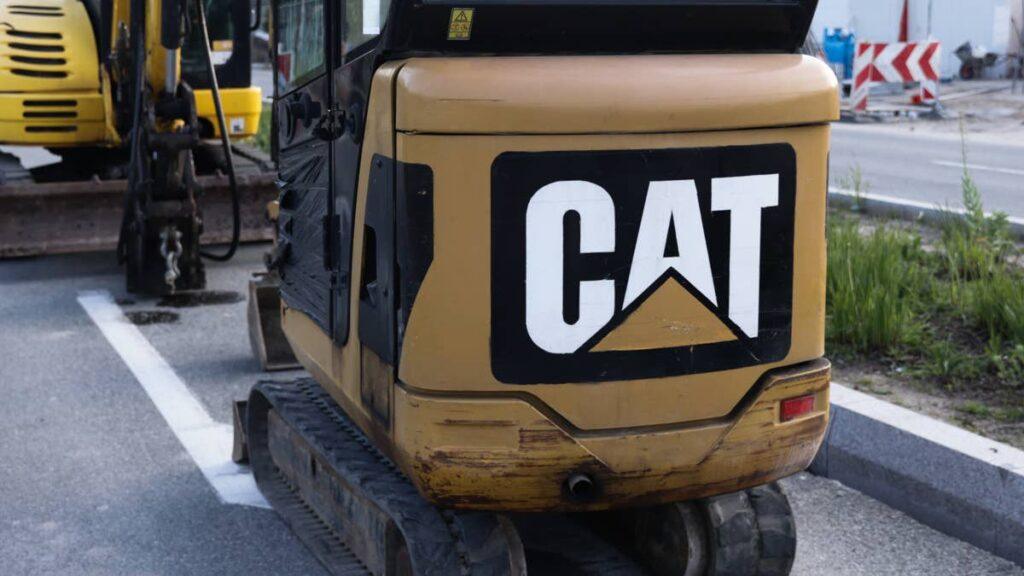
On Sept. 29, Caterpillar (CAT) revealed plans to buy one of its own U.S. dealers. And because of that, multiple rental equipment stocks started falling.
United Rentals (URI) fell 2.8%, Sunbelt Rentals (SUNB) dropped 1.5%, and Herc Holdings (HRI) fell 5.0%.
The stocks dropped because investors worried Caterpillar was planning to compete with rental leaders such as URI. However, Morgan Stanley thinks it’s all a misunderstanding.
In a research note published on Sept. 29 and shared with TheStreet, analysts Angel Castillo and Stefan Diaz told clients that the URI sell-off was overdone. They maintained their Overweight rating and $1,335 price target on United Rentals, but they also said they would use the pullback as a chance to buy more shares.
What happened with the Fabick deal?
The company Caterpillar agreed to buy was the John Fabick Tractor Company. Fabick is a rental company with 37 locations across Missouri, Illinois, Wisconsin, and Michigan.
Although the deal has been announced, it still needs regulatory approval. But everything should close within about 30 days. During the announcement, Caterpillar did not disclose the amount they used to buy the company.
Also Read: BofA double upgrades 34-year-old gold miner ahead of earnings
Caterpillar makes construction and mining equipment. It then sells the equipment mostly through independent dealers like Fabick. So when Caterpillar announced that it bought the dealer on Tuesday, some investors thought the company might start renting equipment directly instead, which would make it a new rival for URI.
The worries were actually valid because EquipmentShare had just confirmed a separate power equipment deal with Cummins (CMI) the same day. The two headlines, which hinted at possible competition for rental stocks, were enough to trigger a sell-off.
NurPhoto / Getty Images
Why Morgan Stanley says the URI drop went too far
Castillo and Diaz described the deal as a temporary fix meant to keep Fabick running through an ownership change. In their note, they said Caterpillar was “stepping in on a temporary basis to resolve Fabick’s ownership transition ensuring continuity rather than a change in its dealer ownership strategy.”
Basically, Fabick was looking to sell, and Caterpillar didn’t want the transition period to affect their business in Fabick’s 37 locations, so they’re buying the company instead.
More Morgan Stanley Coverage:
- Why Morgan Stanley likes Gilead’s HIV prevention play
- Morgan Stanley delivers bold Carvana stock verdict
- Morgan Stanley makes a buy call on tumbling retail giant stock
The analysts also responded to investors’ concerns about Caterpillar and EquipmentShare taking market share from URI. They pointed out that the U.S. rental industry is still very divided, and growth from companies like EquipmentShare “does not necessarily have to come at the expense of the likes of URI.”
In their opinion, any expansion by smaller rival companies will more likely pull shares away from tiny independent operators rather than top names like URI.
The economics behind Morgan Stanley’s URI call
Owning a dealership directly is not exactly a good thing for Caterpillar. As an example, consider three publicly listed dealers.
Finning, Toromont, and Ferreycorp earned adjusted operating margins of 8% to 13% in fiscal 2025, according to the Morgan Stanley note. Caterpillar, on the other hand, had an operating margin of 17.2% in the same year.
Related: GMO sends stark warning on stock market
According to the team’s estimates, for every extra $1 billion Caterpillar earns from dealership revenue, Caterpillar’s overall margin drops by about 10 basis points, which is 0.10%.
From this, we can see that mixing the dealership’s revenue with Caterpillar’s main business will only reduce the company’s overall margins, which isn’t what investors want to see.
What URI investors should consider before buying the dip
Although Morgan Stanley sees the sell-off as a great chance to buy, you should still be careful of the possible risks. URI still needs rental rates, U.S. construction activity, and equipment prices to remain strong.
Also, there is a small chance investors’ worries might actually become a reality. If Caterpillar or EquipmentShare actively start competing for rental customers, companies across the industry might have to lower their prices, which will affect URI.
The analysts closed their note by saying they would “be buyers of URI on this sell-off and reiterate our $1,335 PT and Overweight rating.” However, the risks are still real.
More Stocks News
- AI could haggle for your next car, and one stock stands to win
- Jim Cramer noticed something odd about the stock market
- S&P 500 has something underneath that is quietly falling apart
- Stock Market Today (Oct. 2, 2026): Dow rises after key jobs report